
A search for Bathroom Plumbing Pipe Redesign usually starts after the bathroom no longer works normally: shower pressure drops, water turns brown or yellow, or a damp patch appears near the vanity or behind tile. Banging pipes after a faucet closes can point to loose lines, high pressure, or failing valves. Click here to learn how our company can assess the pipe layout, fixtures, and supply connections to identify what is causing the disruption.
A slow drain or toilet that occasionally runs may be able to wait for a scheduled visit if there is no overflow, leak, or sewage smell. Do not wait if water is coming through a ceiling, the toilet will not stop running, hot water disappears completely, or a wet wall is growing. A small leak behind drywall can soak framing and insulation for days before visible staining appears.
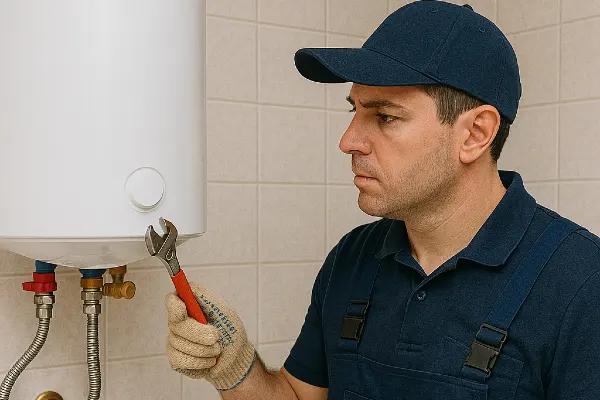
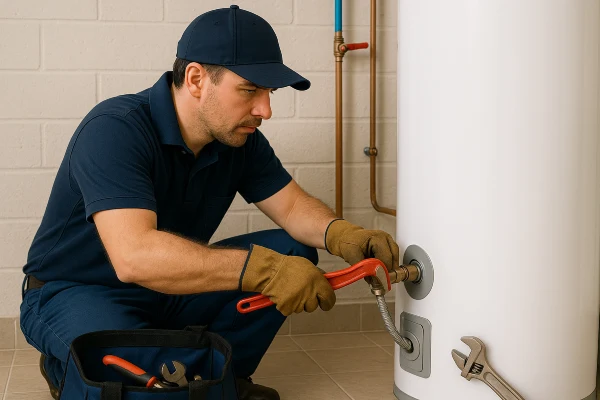
The work begins by locating shut-offs and isolating the bathroom supply, so water does not reach the sink, shower, or toilet while lines are opened. A camera inspection may travel through the drain and cleanout to show cracked pipe, root intrusion, or buildup inside a trap. If grease, scale, or debris is restricting the drain, hydro jetting can clear the interior before new piping is considered.
Contact us to talk through your project.
Next, worn supply lines, valves, traps, or pressure regulators are repaired or replaced based on what the inspection shows. Copper joints may be soldered, while PEX supply lines are secured with compatible fittings and supports. Fixtures are re-seated with new seals, then pressure testing checks for leaks at each connection. If a tank water heater affects bathroom performance, thermostats or anode rods may also be inspected. To arrange an assessment, contact the plumbing team with the symptoms you have noticed.
A pipe redesign in a newer slab home can require different access than one in an older house with galvanized steel lines hidden behind plaster or tile. Opening a vanity wall is usually simpler than reaching a shower line under a concrete slab. Once drywall or flooring is opened, corrosion, undersized pipe, poor slope, or an unapproved fitting may change the scope. The visible leak is not always the only failed section.
Learn more about our expert Water Softener Installation services.
Material choices matter because a small repair can buy roughly two years of use, while replacing a corroded branch line may avoid repeated wall openings for much longer. Copper, PEX, PVC, and ABS each suit different supply or drain conditions. Winter cold snaps can expose weak joints, while Cedar Park's mineral-heavy water may contribute to scale in valves and tanks. Water Softener Installation may be worth discussing if mineral buildup is repeatedly affecting fixtures, supply lines, or the water heater.
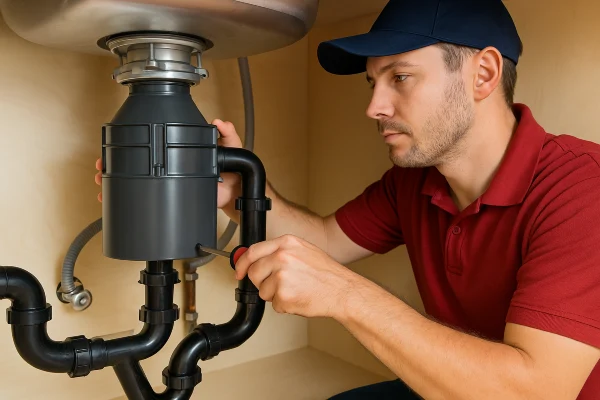
Ask the contractor what caused the problem, which pipe sections will be opened, and how they will verify the repair before closing the wall. A useful explanation distinguishes a clogged trap from a damaged drain line, or a failed shut-off from a broader pressure issue. Ask whether camera footage, pressure testing, or moisture readings are needed. You should understand what happens to tile, drywall, caulk, and fixture seals after the plumbing work ends.
A proper estimate should identify the affected bathroom components, proposed materials, access assumptions, testing steps, and any restoration work that is or is not included. Ask what could change once the wall, floor, or cleanout is opened, especially in homes with galvanized pipe or previous remodels. For Cedar Park, TX homeowners, clear answers about permits, water shutoff duration, and disposal of removed pipe help prevent surprises during a Bathroom Plumbing Pipe Redesign.
EMERGENCY PLUMBER CEDAR PARK
715 Discovery Blvd, Cedar Park, TX 78613
(512) 552-8789
info@emergencyplumbercedarpark.com
Hours of Operation
Open 24 Hours